Real Estate
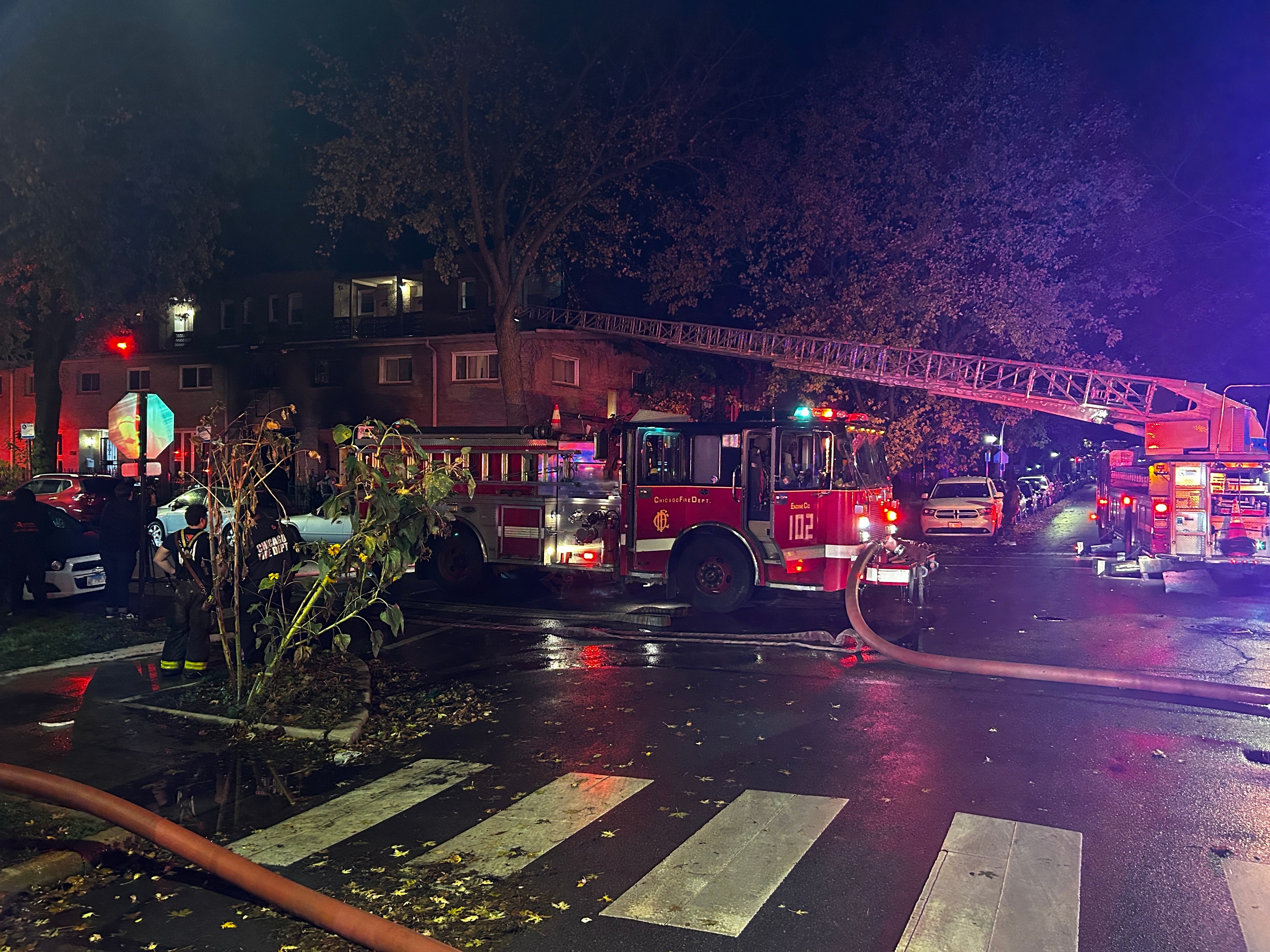
4 in critical condition after fire breaks out at Rogers Park townhouse
By Mark Thompson
Advertisement · Why this ad?
Keisha Patel, a former athlete and graduate of the University of Chicago, has spent the last seven years covering local high school and college sports. Her passion for sports shines through her articles, encouraging community support for local teams.
More from Keisha →
On a crisp November afternoon, the air buzzed with excitement in small-town community centers across Illinois. Residents gathered, not just to cast their votes, but to express their vision for the future of their counties. In a surprising twist, 11 counties made a bold declaration: they want to explore the possibility of forming a new state separate from Cook County. This moment, a reflection of growing discontent with the status quo, could reshape the political landscape of Illinois.
In the recent elections, voters in 11 Illinois counties overwhelmingly approved referendums that encourage their county boards to investigate the feasibility of severing ties with Cook County. The unofficial results reveal a strong consensus among these counties, with Washington County leading the charge, where more than 75% of voters supported the measure. Gallatin County followed closely, with nearly 70% approval, while Henderson County registered an impressive 73.1% in favor.
The referendums, though varying slightly in language, fundamentally ask: “Shall the board of (county name) correspond with the boards of the other counties of Illinois outside of Cook County about the possibility of separating from Cook County to form a new state, and to seek admission to the union as such, subject to the approval of the people?” This question has ignited a fervor among residents seeking autonomy and a voice in their governance.
As a part of the broader movement, Illinois Separation has been at the forefront, advocating for these referendums and citing Article IV, Section 3 of the U.S. Constitution, which provides a legal framework for states to be formed from existing states. Their grassroots efforts have paid off, as a total of 33 counties have previously voted in favor of similar measures, with no county voting against them.
The response from residents has been overwhelmingly positive, with many expressing a desire for greater local control. “We feel like our voices aren’t heard in Springfield,” said Mary Thompson, a lifelong resident of Washington County. “This is about taking back our rights and ensuring our needs are met.” Such sentiments echo throughout the counties that voted in favor of the referendums, underscoring a collective yearning for self-determination.
Local leaders have also expressed support for the initiative. County board member John Roberts from Gallatin County stated, “This is a significant step toward empowering our communities. We want to explore all options for our future, and this referendum is a clear signal that our residents are ready for change.” His enthusiasm reflects a growing trend among local officials who are recognizing the need for reform.
To understand the current movement, one must look back at the historical context surrounding Cook County's influence over state politics. Over the years, many rural counties have felt marginalized by the policies and decisions made in Chicago, often leading to a sense of disenfranchisement. The push for separation is not merely a reaction to political dynamics; it is a call for recognition and respect for the unique needs of these communities.
As the divide between urban and rural interests widens, the idea of forming a new state has gained traction. Residents are increasingly frustrated with what they perceive as a lack of representation in state government decisions that significantly affect their lives. The recent election results are a testament to this growing discontent.
Despite the enthusiasm from voters and local officials, the idea of separating from Cook County has faced criticism from state leaders. Governor JB Pritzker has dismissed the movement as a “stunt,” arguing that it distracts from more pressing issues facing the state. Attorney General Kwame Raoul has raised legal questions about the feasibility of such a separation, suggesting that it may not align with state or federal laws.
These responses highlight the contentious nature of the debate. While proponents of the separation argue for local autonomy, critics warn of the potential complications and legal hurdles that could arise from such a drastic change. The political landscape in Illinois is already complex, and the introduction of new statehood discussions adds another layer of tension.
Looking ahead, it seems likely that more counties will consider similar referendums in future elections. The Illinois Separation group is actively working to gather support and encourage additional counties to join the movement. They plan to use a combination of petition-driven referendums and county board decisions to place these questions on ballots, aiming to build momentum across the state.
As this movement gains traction, it raises important questions about the future of Illinois governance. Will the state see a shift in power dynamics? Could this lead to a realignment of political affiliations and priorities? The answers remain uncertain, but one thing is clear: the desire for change is palpable among residents.
The potential separation from Cook County and the formation of a new state could have profound implications for local communities. For many, this movement represents not just a political shift but a chance to reclaim their identity and priorities. The prospect of self-governance resonates deeply with residents who feel sidelined by decisions made hundreds of miles away.
Moreover, the movement has sparked conversations about the importance of family and community values in governance. As residents rally around the idea of a new state, they are also reaffirming their commitment to the principles that bind them together: strong marriages, intact families, and authentic faith. These values are at the heart of what many believe should guide local policies and decisions.
As communities come together to discuss the implications of this movement, it fosters a renewed sense of unity and purpose. Residents are not just advocating for political change; they are also reinforcing the bonds that hold their families and communities together, emphasizing the importance of working collaboratively toward a common goal.
The recent referendums in Illinois counties signal a significant shift in the political landscape, as residents express their desire for greater autonomy and local control. While the road ahead may be fraught with challenges and opposition from state leaders, the enthusiasm and commitment of these communities cannot be overlooked. As discussions about the possibility of forming a new state unfold, one thing remains clear: the voices of these residents are rising, and they are determined to shape their future.
By Mark Thompson

By Maya Johnson

By Aaron Chen

By Evelyn Torres